Quality of Modern Peptides
Educational resource and quality-focused supplier of verified peptide products for skincare, wellness, and laboratory research, are peptides safe?.

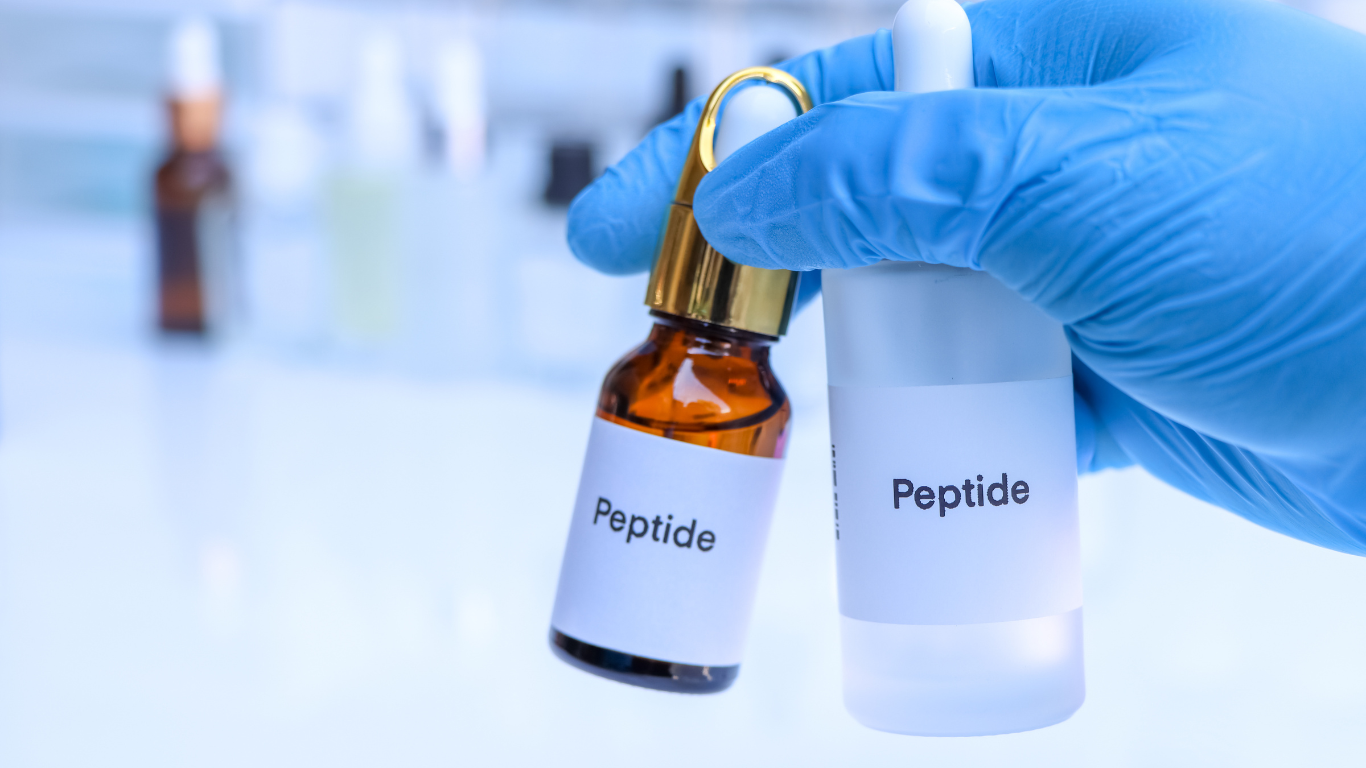
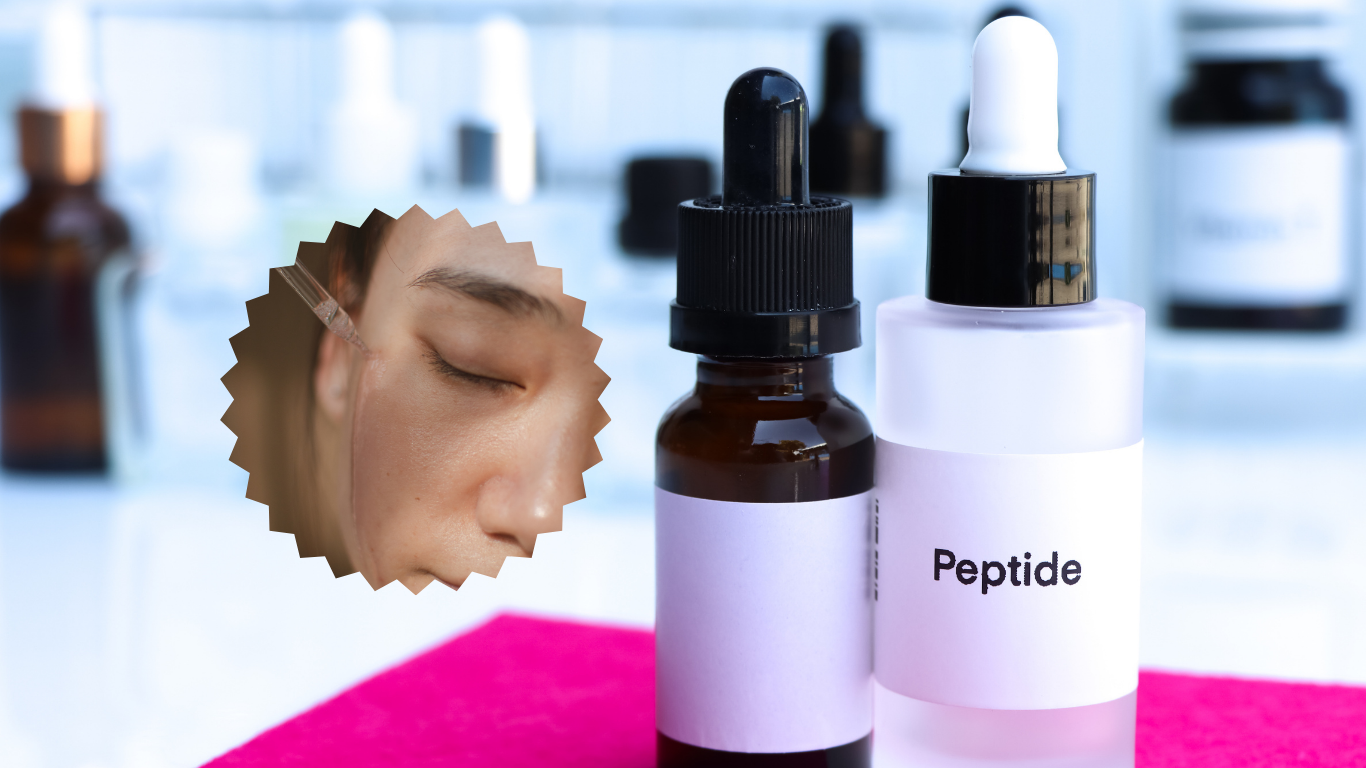
Healthy, youthful skin begins at the molecular level. Modern dermatology and cosmetic science have discovered that peptides for skin play a critical role in maintaining the structure, strength, and appearance of the skin.
Peptides are short chains of amino acids, the same molecules that form important skin proteins like collagen and elastin. These proteins are responsible for maintaining skin firmness, elasticity, hydration, and smooth texture. As we age, the body gradually produces fewer peptides, collagen, and elastin. This natural decline leads to visible signs of aging skin, including:
This is where cosmeceutical peptides and peptide supplements can make a significant difference. By supporting the skin’s natural repair mechanisms, peptides help restore firmness, hydration, and youthful appearance.
Browse Verified Peptides
Peptides For Muscle Growth
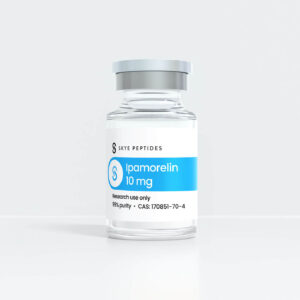
Peptides For Muscle Growth
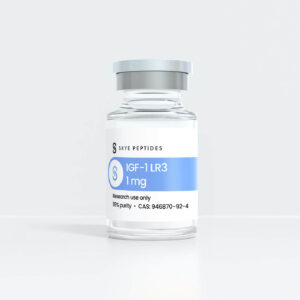
Peptides For Muscle Growth
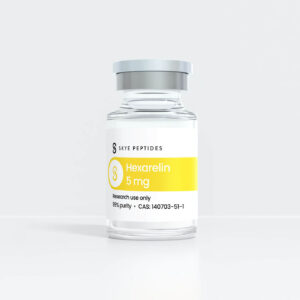
Peptides For Muscle Growth
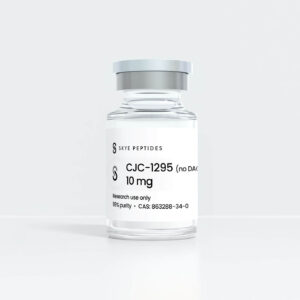
Peptides For Muscle Growth
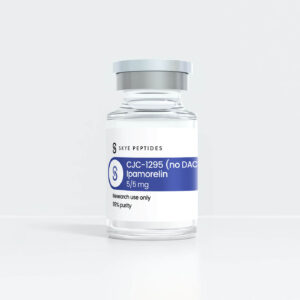
Peptides For Muscle Growth
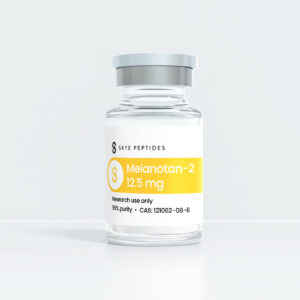
Peptides for Skin
Peptides for Skin
In addition to topical skincare applications, peptides are also widely available as peptide supplements and collagen peptides supplements designed to support skin structure, connective tissue health, and overall wellness. Many researchers and health professionals now explore peptides supplements as part of broader studies on longevity, cellular repair, and metabolic health.
Whether used for advanced skincare, wellness optimization, or peptide therapy research, peptides continue to expand our understanding of how targeted biological molecules can support both skin rejuvenation and whole-body health.
One of the most notable compounds studied in dermatology is copper peptides for skin, which are known for their potential to accelerate wound healing, support collagen synthesis, and reduce inflammation. Because of these properties, copper peptides are commonly investigated in advanced skincare science and regenerative research.
Beyond skincare, peptides are also gaining attention in peptides for wellness studies. Researchers explore how certain peptides may influence immune signaling, metabolic health, and cellular repair pathways. These applications have contributed to the growing interest in peptide supplements and collagen peptides supplements, which are often studied for their potential role in skin health, joint support, and connective tissue maintenance.
Peptides for skin are short chains of amino acids that act as biological messengers, signaling skin cells to perform essential functions such as producing collagen, repairing damage, and improving hydration.
In skincare, peptides are widely used because they help restore youthful skin by supporting natural regeneration processes. As we age, collagen production declines, leading to wrinkles, sagging, and dull skin. Peptides help reverse these visible signs of aging by stimulating the skin at a cellular level.
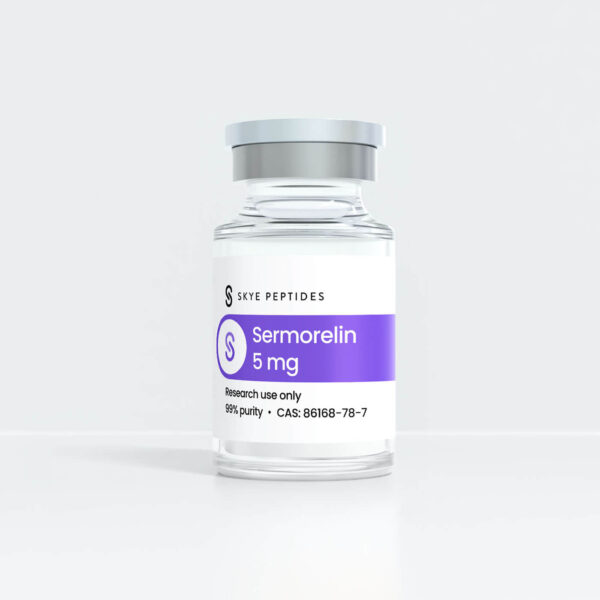
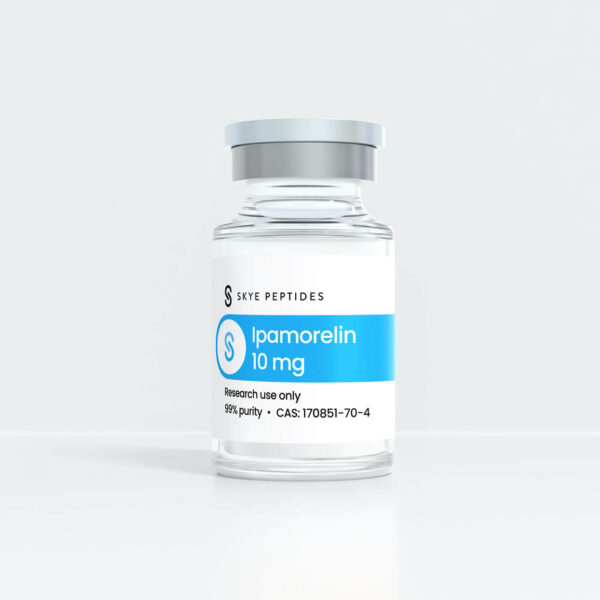
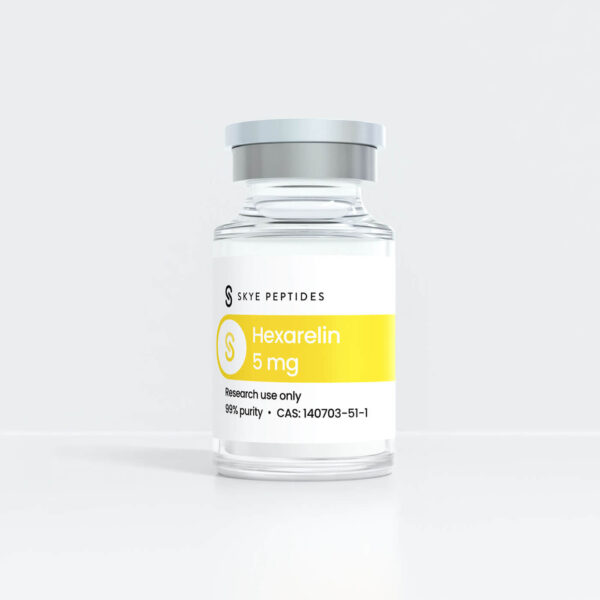
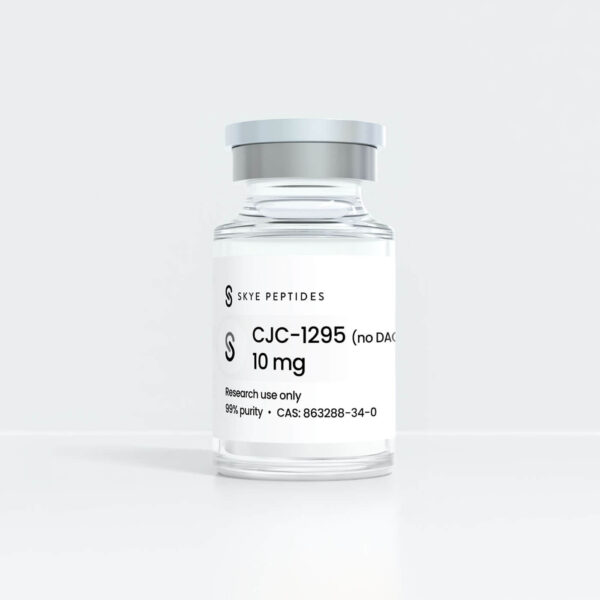
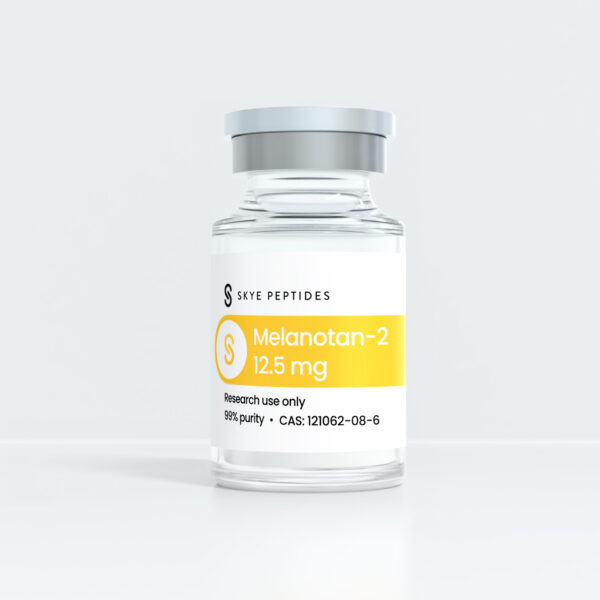
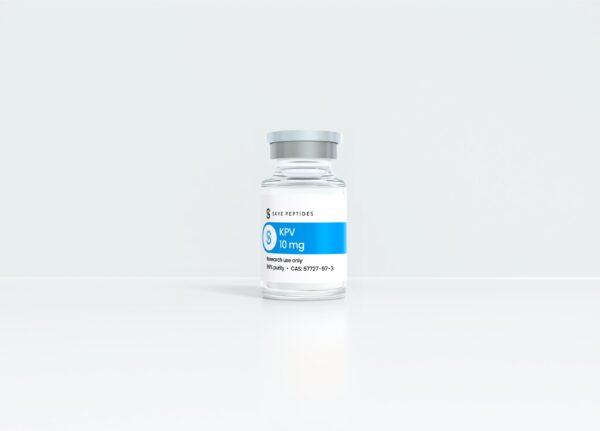
Not all peptides provide the same benefits. Certain peptides are particularly effective for improving the appearance of aging skin.
Among the most researched skincare ingredients today are copper peptides for skin.
Copper peptides combine peptides with copper ions to support skin regeneration and repair. They are known for helping:
Because of these benefits, copper peptides are widely used in advanced cosmeceutical peptide formulations.
Modern skincare increasingly focuses on treating the skin both externally and internally.
This is where peptides supplements play an important role.
Peptide supplements help support the body’s natural production of collagen, elastin, and other important proteins. By improving the internal environment of the skin, peptide supplements may help reduce visible signs of aging and support long-term skin health.
Many people combine peptide supplements with topical peptide skincare products to create a complete anti-aging strategy.


Unlike basic skincare ingredients, cosmeceutical peptides are formulated with advanced scientific research to deliver targeted skin benefits.
These peptides are designed to penetrate the skin and trigger biological processes that improve skin health.
Benefits of cosmeceutical peptides include:
For individuals concerned about aging skin, wrinkles, dryness, and crepey skin, cosmeceutical peptides provide a powerful solution.
Modern skincare increasingly focuses on treating the skin both externally and internally.
This is where peptides supplements play an important role.
Peptide supplements help support the body’s natural production of collagen, elastin, and other important proteins. By improving the internal environment of the skin, peptide supplements may help reduce visible signs of aging and support long-term skin health.
Many people combine peptide supplements with topical peptide skincare products to create a complete anti-aging strategy.
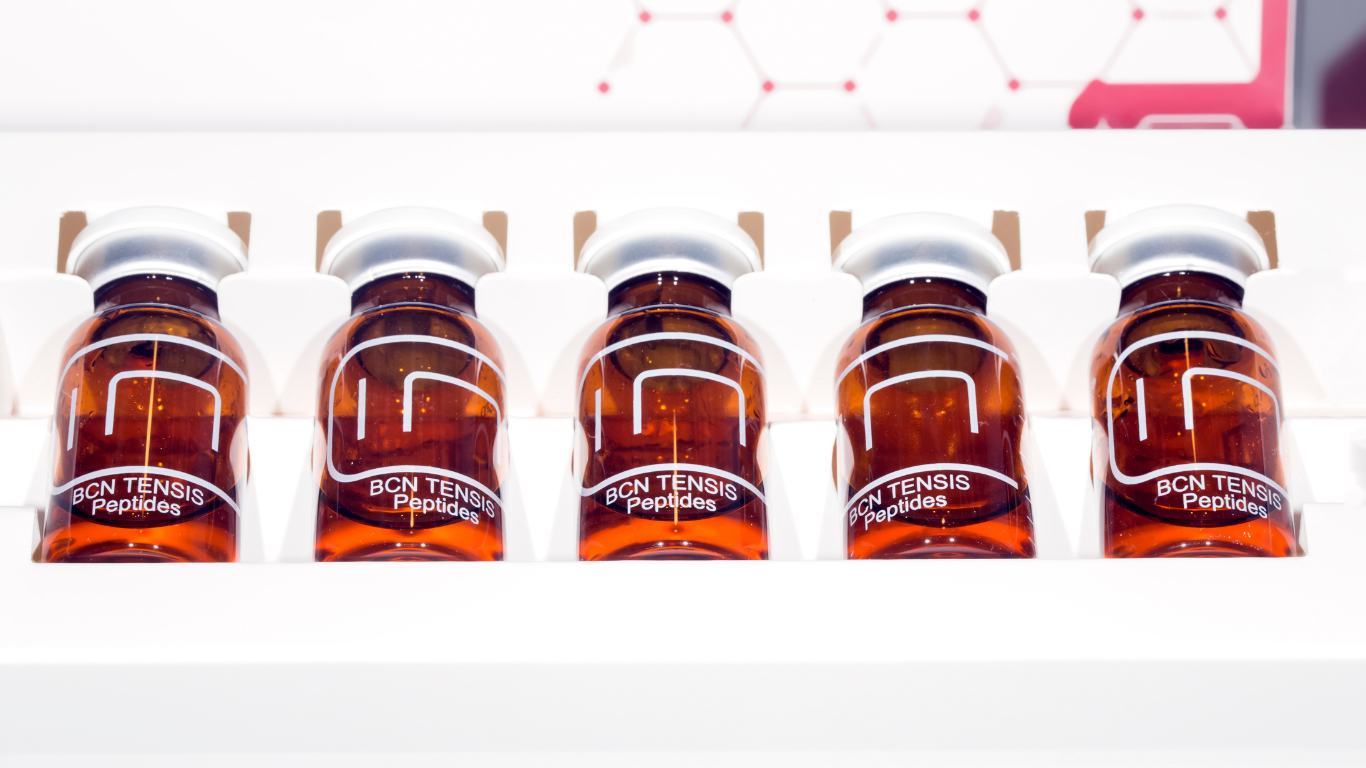
The integrity of any scientific study depends on the quality of its compounds. Impure or incorrectly folded peptides can produce misleading results, compromise experimental reproducibility, and introduce confounding variables into research outcomes.
Every peptide in our catalogue is tested using High-Performance Liquid Chromatography (HPLC) and Mass Spectrometry (MS) to confirm identity, purity, and molecular weight. Certificates of Analysis (COA) are available for every batch and can be downloaded directly from each product page.
Research peptides in lyophilised (freeze-dried) form are stable at room temperature for short periods but should be stored at -20°C for long-term preservation. Once reconstituted with bacteriostatic water, peptides should be kept refrigerated at 2–8°C and used within 30 days.