

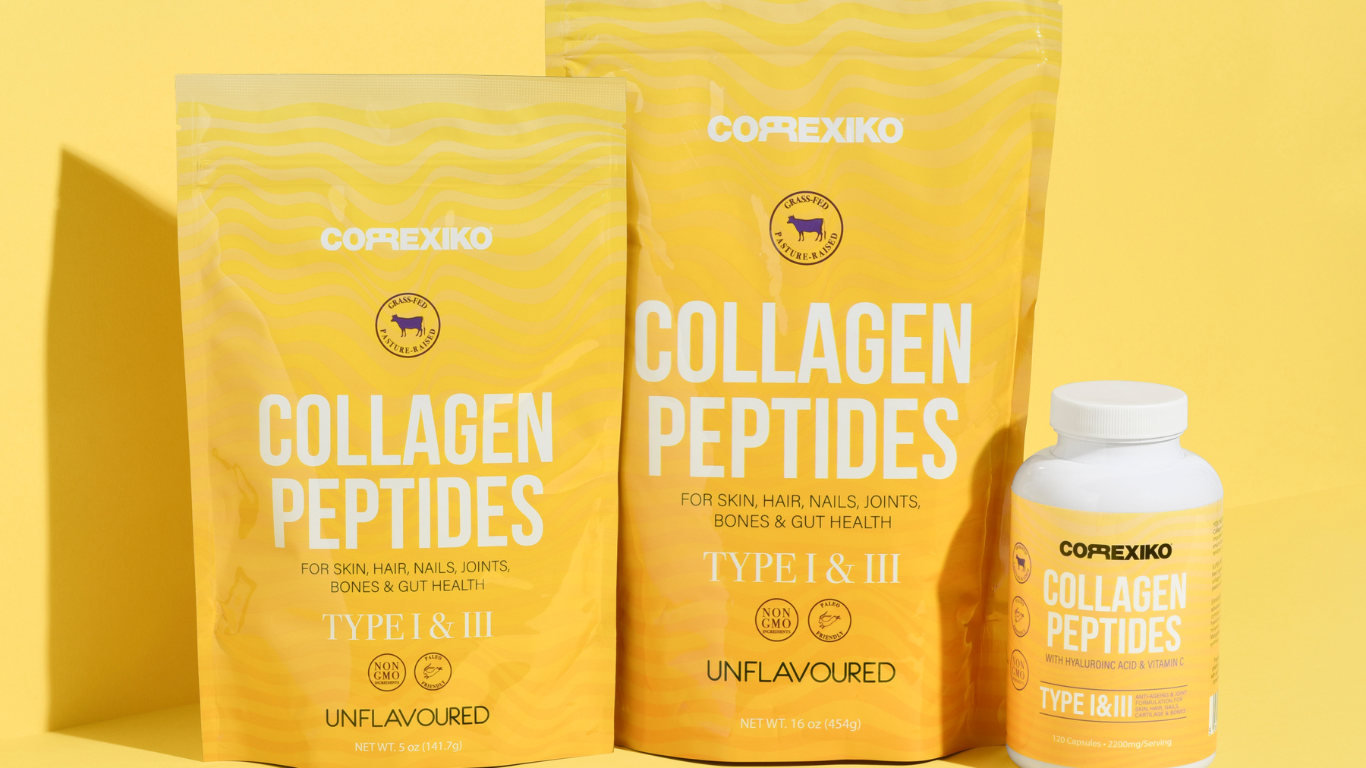
Peptides for Skin – Benefits, Types, and How They Work
Peptides have become one of the most important ingredients in modern skincare and dermatology. These small chains of amino acids help support the skin’s natural repair processes, stimulate collagen production, and improve overall skin health. Because peptides are biologically active molecules, they can signal the skin to perform specific functions such as regenerating tissue, producing collagen, and strengthening the skin barrier.
As a result, peptides are widely used in anti-aging skincare products, dermatological treatments, and cosmetic formulations.
What Are Peptides in Skincare?
Peptides used in skincare are short chains of amino acids that act as signaling molecules in the skin. They communicate with skin cells and instruct them to perform certain functions, such as producing collagen or repairing damaged tissue.
The skin naturally contains peptides, but as people age, the body produces fewer of them. This reduction contributes to visible signs of aging such as:
- wrinkles
- fine lines
- loss of skin elasticity
- thinning skin
By applying peptides topically through creams or serums, skincare products aim to stimulate the skin’s natural regeneration processes.
How Peptides Work in the Skin
Peptides function as cellular messengers. When applied to the skin, they send signals that encourage skin cells to produce proteins necessary for maintaining healthy skin structure.
The most important proteins stimulated by peptides include:
- Collagen – provides firmness and structure
- Elastin – gives skin elasticity and flexibility
- Keratin – strengthens the skin barrier
When collagen production increases, the skin becomes firmer, smoother, and more resilient.
Major Benefits of Peptides for Skin
1. Stimulate Collagen Production
One of the most important benefits of peptides is their ability to boost collagen synthesis. Collagen is the main structural protein responsible for maintaining firm and youthful skin.
As collagen levels increase, the skin may appear:
- smoother
- firmer
- more youthful
2. Reduce Wrinkles and Fine Lines
Peptides help improve skin texture and reduce visible aging signs by promoting skin repair and collagen production. Regular use of peptide-based skincare products can help minimize fine lines and wrinkles over time.
3. Improve Skin Barrier Function
Some peptides help strengthen the skin barrier, which protects against environmental damage such as pollution, bacteria, and UV radiation.
A stronger skin barrier helps maintain:
- hydration
- resilience
- healthy skin balance
4. Promote Skin Repair and Healing
Certain peptides support wound healing and tissue repair by stimulating cellular regeneration. This property makes peptides useful for treating damaged or irritated skin.
5. Increase Skin Hydration
Peptides can help maintain moisture levels in the skin by improving the barrier that prevents water loss. This leads to better hydration and softer skin.
Types of Peptides Used in Skincare
Different peptides perform different functions in the skin.
1. Signal Peptides
Signal peptides tell skin cells to produce collagen, elastin, and other essential proteins.
Examples include:
- Palmitoyl pentapeptide
- Matrixyl peptides
These are commonly found in anti-aging skincare products.
2. Carrier Peptides
Carrier peptides deliver essential minerals such as copper to the skin, which helps stimulate healing and collagen production.
Example:
- Copper peptides (GHK-Cu)
Copper peptides are widely studied for their ability to support skin regeneration and anti-aging effects.
3. Enzyme-Inhibiting Peptides
These peptides slow down the natural breakdown of collagen in the skin. By preventing collagen degradation, they help maintain skin firmness.
4. Neurotransmitter-Inhibiting Peptides
These peptides reduce muscle contractions that cause facial wrinkles. Some act similarly to Botox by relaxing facial tension.
Example:
- Argireline peptide
Popular Peptides in Skincare
Several peptides are widely used in cosmetic products.
| Peptide | Skin Benefit |
|---|---|
| Matrixyl | Collagen stimulation |
| Argireline | Reduces expression lines |
| Copper Peptides | Skin repair and healing |
| Palmitoyl Pentapeptide | Anti-aging and wrinkle reduction |
| GHK-Cu | Tissue regeneration and skin renewal |
Scientific Research on Peptides and Skin
Studies have shown that certain peptides can improve skin elasticity, increase collagen density, and reduce wrinkles when used consistently in skincare products.
Research in dermatology suggests peptides may:
- stimulate fibroblast activity
- increase collagen production
- improve skin thickness
- support wound healing
These properties make peptides an important ingredient in cosmetic dermatology and anti-aging skincare formulations.
How to Use Peptides in Skincare
Peptides are commonly found in several skincare products, including:
- serums
- moisturizers
- eye creams
- anti-aging creams
- facial masks
Best practices for using peptide skincare products:
- Apply peptide serum after cleansing the skin.
- Follow with a moisturizer to lock in hydration.
- Use sunscreen during the day to protect collagen from UV damage.
- Consistency is important for visible results.
Are Peptides Safe for Skin?
Peptides are generally considered safe and well tolerated for most skin types. Because they are naturally occurring molecules in the body, they typically cause fewer side effects than many synthetic skincare ingredients.
However, effectiveness can vary depending on:
- the specific peptide used
- product formulation
- concentration of active ingredients
Dermatologists recommend choosing products from reputable manufacturers with clinically tested ingredients.
Why Peptides Are Important in Anti-Aging Skincare
Peptides are considered one of the most promising ingredients in modern skincare because they address several causes of skin aging simultaneously.
They can:
- stimulate collagen production
- improve skin elasticity
- strengthen the skin barrier
- support cellular repair
For these reasons, peptides are often included in advanced anti-aging skincare routines and dermatological treatments.